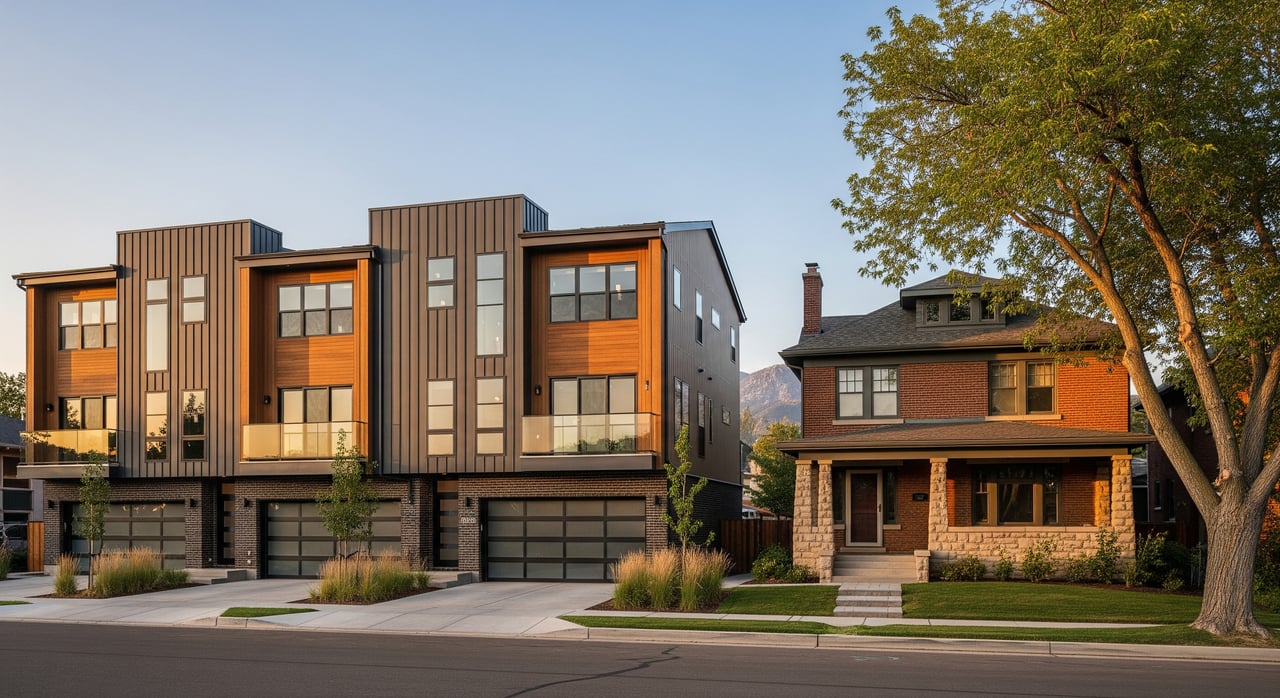
Should you buy a shiny new build in Brighton or a well-kept resale down the street? If you are investing for steady rental income in Adams County, that choice can change your cash flow, your maintenance headaches, and how quickly you place a tenant. You want the best mix of rentability and predictable costs, not surprises. In this guide, you will learn how new construction and resale rentals in Brighton compare on warranties, energy efficiency, HOAs, taxes, and risk, plus where those differences show up across local submarkets. Let’s dive in.
Brighton rental context in plain terms
Brighton sits within the Denver metro’s Front Range, with quick access to job centers through I‑76 and local arterials. That regional connectivity, along with local logistics and industrial employment, helps support rental demand. Investors often look at two broad choices: newer master‑planned areas like Brighton Crossing, and mature neighborhoods near downtown Brighton or older subdivisions.
- Newer master‑planned areas typically offer modern homes, community amenities, and developer‑managed infrastructure. You may see higher prices and HOA dues, balanced by strong tenant appeal and newer systems.
- Mature neighborhoods offer more diverse housing styles, closer proximity to established local services, and often lower entry prices. You may gain value‑add potential, and you should plan for higher maintenance.
Your return will depend on how those factors interact with your hold period, financing, and the specific street and property you choose.
New construction: what investors like and what to watch
New homes in Brighton’s master‑planned communities can be strong rentals when you value lower early‑year maintenance and modern tenant appeal. Here is how they stack up.
Builder warranties and why they matter
Most builders use a version of the 1‑2‑10 model. That typically means 1 year for workmanship and finishes, 2 years for mechanical systems, and 10 years for major structural defects. The exact coverage, start date, and whether the warranty transfers can vary by builder and contract. For you, that usually means lower near‑term capital expenditure risk during the first few years. It does not replace routine maintenance or tenant‑caused damage, so verify coverage and claims procedures before you buy.
Energy efficiency and operating costs
New construction must meet current building codes, and many homes include better insulation, tighter building envelopes, efficient HVAC, low‑flow fixtures, and sometimes ENERGY STAR appliances or HERS ratings. If you pay any utilities, efficiency can reduce your operating costs. These features also help you market the property to energy‑conscious renters. Check with the City of Brighton building department and the Colorado Energy Office for the latest on codes and any available efficiency incentives that might apply to equipment like heat pumps or EV‑readiness.
Tenant appeal and lease‑up
Modern floor plans, in‑unit laundry, attached garages, and smart‑home features attract renters looking for turn‑key homes. In desirable submarkets, that often translates into shorter marketing times when priced and presented correctly. Smart thermostats and locks add appeal but may require minor upkeep and clear policies in your lease.
Upfront costs and ongoing tradeoffs
- Acquisition costs can be higher than similar square footage in older areas, which can compress initial cap rates if rents do not keep pace.
- HOAs in amenity‑rich communities add monthly costs. They can be worth it for demand, but you must budget dues in your pro forma.
- Property taxes and insurance can reflect higher replacement costs for new builds. Verify current assessments and quotes during due diligence.
- In new neighborhoods still building out, short‑term supply spikes can pressure rents. Consider absorption in your specific phase and block.
Resale properties: strengths and realities
Resale homes offer lower entry prices in many Brighton pockets and the chance to improve value with targeted upgrades. They can generate stronger near‑term cash flow if you buy well, but plan for more maintenance.
Cash flow and price dynamics
Resales often trade at a lower price per unit than new construction in the same market. That lower basis can help your initial cash‑on‑cash return. You can also create forced appreciation through value‑add work like cosmetic updates, moderate kitchen and bath improvements, or HVAC replacement that supports higher rent.
Maintenance, CapEx, and inspection strategy
Older systems eventually need replacement. Roofs, HVAC, windows, and appliances carry real timelines. Build reserves based on age and condition, not just rules of thumb. Strong due diligence is your friend. Order a full home inspection and add targeted checks, such as sewer line scopes, roof evaluations, HVAC assessments, and a review of utility histories to forecast near‑term spend.
Energy efficiency upgrades that pay off
Older homes usually lag on insulation, windows, and mechanicals. Consider improvements like air sealing and insulation, efficient HVAC, smart thermostats, and appliance updates. These can boost tenant comfort, help reduce owner‑paid utility costs, and enhance your marketing.
Tenancy and turnover patterns
Mature neighborhoods near established services can attract longer‑term renters. Some areas show steady tenant retention, while others may see more turnover. Look at local rent comps, vacancy trends, and the immediate surroundings when setting expectations for days on market and renewal rates.
HOAs, taxes, and local rules that shape returns
Non‑structural costs can move your pro forma more than a paint job. These items deserve careful review.
- HOAs and master associations. Monthly dues reduce cash flow. Review CC&Rs for rental rules like caps on the number of rentals, minimum lease terms, tenant registration, or restrictions on short‑term rentals. Examine financials, reserve studies, meeting minutes, and any pending special assessments.
- Taxes and insurance. Verify current and projected property taxes with the Adams County assessor. Understand how new assessments, mill levies, and improvements can affect future bills. Obtain insurance quotes early, since older systems or claims history can change premiums.
- Local licensing and landlord‑tenant rules. Colorado has statewide rules, and some municipalities add registration or inspections for rentals. Confirm whether Brighton requires rental registration or periodic inspections and comply with obligations like smoke and carbon monoxide detectors and lead paint disclosures for pre‑1978 homes.
- Utilities and metering. In newer subdivisions you may find modern metering or HOA‑managed common utilities. Clarify who pays what, and make your lease clear for water, sewer, trash, and landscape irrigation.
The numbers that actually decide ROI
Before you compare property types, collect the same metrics for each option so you can compare apples to apples.
- Purchase price and closing costs
- Rehab or make‑ready budget
- Gross rent estimate from comparable units
- Vacancy assumption based on local trends or property specifics
- Operating expenses: taxes, insurance, owner‑paid utilities, HOA dues, property management, maintenance, and turnover
- Net Operating Income and cap rate
- Debt service and your expected cash‑on‑cash return
- Reserves for replacements, pegged to system age and expected lifespans
- Rent growth and appreciation assumptions
Run both a 5‑year and a 10‑year hold model. New builds often show lower CapEx in years one to three but may start with lower cash‑on‑cash returns. Resales can start stronger on cash flow but carry more maintenance risk. Add sensitivity testing so you know your breakpoints:
- Interest rate up 1 percent
- Vacancy up 5 percent
- HOA dues up 100 dollars per month
- A special assessment or a major system replacement timeline
Knowing which changes your cash flow can absorb will help you choose the stronger asset for your risk profile.
Brighton Crossing vs. mature neighborhoods
Here is how these submarkets commonly differ for investors.
- Brighton Crossing and similar newer areas
- Pros: modern layouts, energy efficiency, builder warranties, strong family appeal, community amenities.
- Consider: higher purchase prices, HOA dues, and active neighborhood build‑out that can add short‑term competition.
- Mature neighborhoods near downtown Brighton and older subdivisions
- Pros: lower entry price, value‑add potential, diverse lot sizes and home types, fewer or no HOA dues on many blocks.
- Consider: higher maintenance expectations, potential permitting history to review, and more varied conditions block to block.
Your choice should match your plan. If you prefer predictable early‑year expenses and a modern marketing story, newer communities fit. If you want to create equity and maximize initial cash flow, a resale with targeted improvements may be the better fit.
Due diligence checklists you can use
Use these checklists to keep your process tight and reduce surprises.
For new construction
- Builder warranty details, including scope, start date, transferability, and claims process
- Certificate of occupancy and final inspection reports
- HOA documents: bylaws, CC&Rs, budget, reserve study, meeting minutes, rental rules
- Energy and equipment specs: HVAC type, insulation, window ratings, any efficiency incentive paperwork
- Builder reputation and post‑closing service process
For resale
- Full home inspection, plus roof, HVAC, and sewer scopes
- Past utility bills, repair records, and rent roll if currently leased
- Title search and permitting history to confirm no unpermitted work
- Insurance loss history and flood zone status
- HOA documents if applicable, and any open code violations or permits
Risks to model before you buy
Every rental strategy carries risk. Plan for these so they do not surprise you later.
- Interest rate increases that raise debt service
- Local oversupply during new neighborhood build‑out that pressures rents
- HOA restrictions or caps that limit rental use
- Deferred maintenance and legacy permitting issues in older homes
- Policy changes that add registration, inspections, or tenant protections that affect timelines and costs
Which path fits your strategy
Pick the path that matches your goals, not a headline or a friend’s deal. If you want lower early maintenance, strong tenant appeal, and plan to hold for 10 years or more, a new build in a master‑planned area can be a great match. If you want stronger near‑term cash flow, enjoy value‑add projects, and are comfortable planning reserves for systems, a resale in a mature neighborhood can outperform.
Whichever you choose, compare two or three specific properties side by side using the same metrics, and run 5‑ and 10‑year scenarios. A clear model makes the decision easier and gives you confidence when you write the offer.
Ready to run the numbers together
If you would like help choosing between a new build and a resale in Brighton, I can walk you through rent comps, HOA and tax impacts, and a clear side‑by‑side model. As a Denver‑area advisor rooted in the Front Range, I will help you make a data‑informed, comfortable choice. Hablo español. Connect with Lidia Suarez to get started.
FAQs
What drives rental demand in Brighton for investors comparing new vs. resale?
- Regional job access via I‑76, local industrial and logistics employment, and evolving amenities support demand, while specific submarkets like Brighton Crossing and mature neighborhoods draw different tenant segments.
How do HOAs in Brighton’s master‑planned communities affect rental returns?
- Monthly HOA dues lower cash flow and CC&Rs may set rental caps or minimum lease terms, so review financials, reserve studies, meeting minutes, and rental policies before you buy.
What should I look for in a builder warranty on a Brighton new build?
- Confirm 1‑2‑10 coverage details, start date, what is included or excluded, whether the warranty transfers to you, and how the claim process works during your first years of ownership.
How do Adams County property taxes impact my rental cash flow?
- Taxes are a key operating expense that can change with assessments and improvements, so verify current tax history with the assessor and model future increases in your pro forma.
Does the City of Brighton require rental registration or inspections for long‑term rentals?
- Requirements can vary by municipality, so confirm current Brighton rules for rental registration, inspections, and safety devices, and follow statewide landlord‑tenant laws in Colorado.