Thinking about selling your Littleton home and want to maximize your price? You are not alone. Buyers across the Denver metro look for move-in ready spaces, outdoor living, and easy access to jobs, parks, and transit, which means small, smart prep choices can pay off. In this guide, you will get a clear plan, practical checklists, and local tips tailored to Littleton and Arapahoe County so you can list with confidence. Let’s dive in.
Why prep matters in Littleton
Littleton buyers value proximity to Denver job centers, Old Town amenities, local schools, and recreation like the South Platte River corridor and Chatfield area. Clean, updated homes that highlight these lifestyle benefits often compete best. Seasonality also matters, with spring typically the busiest, so keep an eye on inventory and days-on-market trends using Denver Metro Association of Realtors market reports.
If you are listing in the next 6 to 12 months, use current data to fine-tune timing and price. Conditions can change with mortgage rates and supply, so staying informed helps you adjust your strategy. Strong prep plus market awareness usually leads to more showings and stronger offers.
Build a 6 to 12 month plan
A simple plan prevents last-minute stress. Start by mapping projects to a realistic timeline and budget. Prioritize visible improvements, safety, and documentation.
- 6 to 12 months: Schedule larger projects that might need permits and lead time, like roof work, HVAC, or significant kitchen and bath updates.
- 2 to 4 months: Complete cosmetic work such as paint, flooring, lighting, hardware, and landscaping.
- 2 to 6 weeks: Deep clean, declutter, repair punch-list items from a pre-listing inspection, and finalize staging plans.
- 1 to 2 weeks: Professional cleaning, touch-ups, and staging before photography.
High-impact cosmetic refreshes
Fresh paint in neutral tones, consistent flooring, and clean lines go a long way. Paint scuffed walls and ceilings, replace worn carpet, and refinish or replace dated vinyl where it is highly visible. Update cabinet hardware, faucets, and light fixtures to modern finishes for a quick style lift.
Focus on first impressions. Declutter every room, including closets and the garage, to make spaces feel larger. Improve curb appeal with trimmed landscaping, fresh mulch, and a welcoming front door.
Systems and safety first
Buyers want confidence that your home is well maintained. Service the HVAC and water heater, and fix obvious electrical or plumbing issues. Add or test smoke and carbon monoxide detectors, secure handrails, and remove trip hazards.
Consider an optional pre-listing inspection to find surprises early. If your property may be in a higher radon area, a pre-listing radon test can build trust with buyers; the Colorado Department of Public Health and Environment provides radon guidance. If you have prior repairs, organize receipts and permits. Check permit history and property records with Arapahoe County so you can address questions before going live.
Kitchens and baths: smart updates
Updated kitchens and baths are often high on buyer wish lists in the Denver metro. If your finishes lag local comparables, consider targeted upgrades like countertops, a backsplash, or appliance replacements. Refresh bathrooms with new fixtures, lighting, regrouted tile, and clean glass.
Before big projects, weigh likely return and timing. The Remodeling Magazine Cost vs. Value Report can help you gauge typical ROI for different projects. For many sellers listing within a year, cosmetic updates deliver better payback than full-scale remodels.
Outdoor living and curb appeal
Littleton buyers appreciate usable outdoor space. Clean and stage patios or decks with simple seating areas, power-wash hard surfaces, and replace tired exterior bulbs for warm evening light. Repair walkway cracks, clean gutters, and touch up exterior paint where needed.
If your home’s location offers quick access to parks, trails, or Old Town dining, highlight that in your marketing. Simple landscaping upgrades and a polished entry make your photos pop and set the tone for showings.
Staging that sells
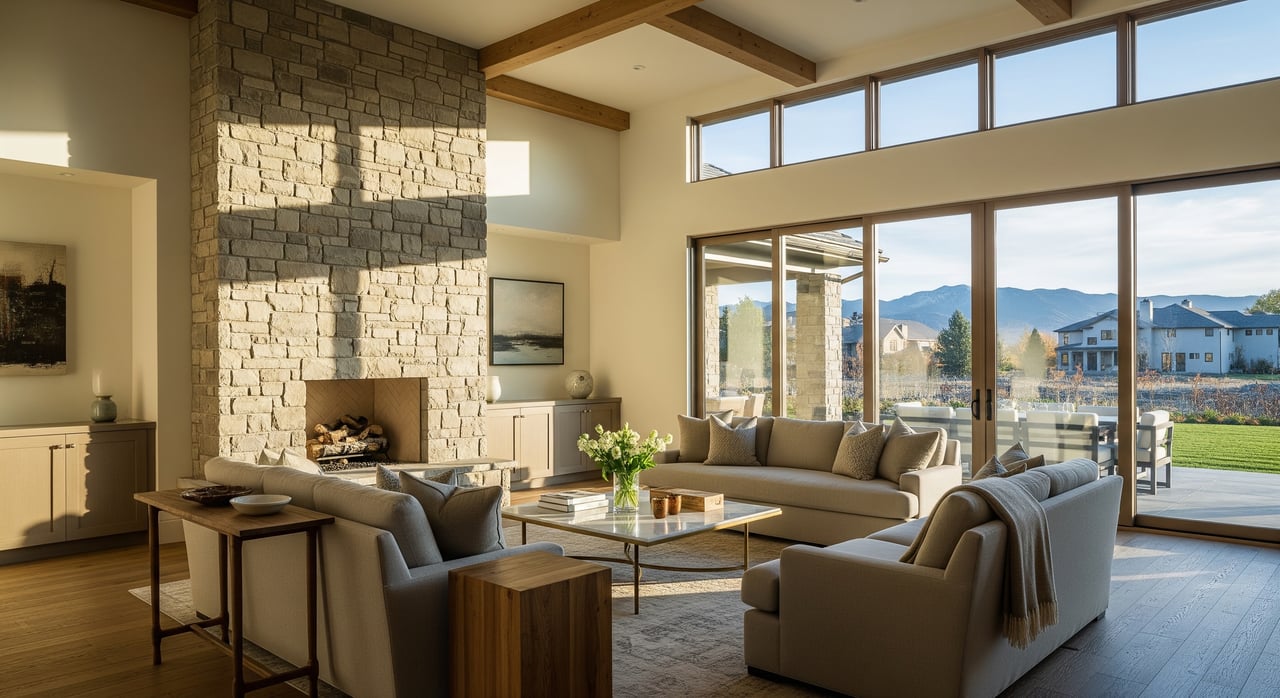
Staging helps buyers visualize how rooms can work for their lives. Full staging of the living room, dining area, and primary bedroom is often most effective, while partial staging with a clean, neutral style can still shine. Keep color palettes simple, remove personal photos, and create inviting seating groupings that emphasize focal points like a fireplace or view.
According to the National Association of Realtors, staging tends to increase buyer interest and can help homes sell faster. If you are downsizing, consider showing flexible spaces as an office or guest room. If you are marketing to move-up buyers, highlight entertaining flow and outdoor living.
Pro photos and visual assets
Professional photography is essential. Aim for bright, natural-light images with realistic wide angles, and add a twilight exterior if your lighting and landscaping photograph well. A typical single-family listing benefits from 20 to 40 high-quality images.
Add a floor plan and a virtual tour to increase qualified showings. For large lots or standout locations near parks or the river, consider drone photography, taking into account any HOA or local flight rules. Short video clips optimized for social can expand your local reach.
Pricing it right
Use a Comparative Market Analysis with recent neighborhood sales from the last 30 to 90 days when possible. Align your condition and upgrades with nearby comps, and understand price bands that affect online search filters. Decide whether to list at market value, slightly under to drive multiple offers, or slightly over if your features justify it.
Monitor showings and feedback closely in the first 7 to 14 days. If you see limited activity, reassess your price and marketing based on real-time data from DMAR’s market reports. A nimble approach can protect your momentum.
Paperwork and disclosures
Colorado sellers must complete a Seller’s Property Disclosure. Review the current requirements through the Colorado Division of Real Estate. If your home was built before 1978, federal rules require you to provide the EPA/HUD pamphlet and disclose known lead hazards; learn more from the U.S. EPA’s lead resources.
Radon is common in parts of Colorado, and buyers often ask about testing and mitigation. Consider sharing any prior test results or mitigation records; see the CDPHE radon guidance for more background. If your property is part of an HOA, prepare association documents early so your buyer can review them on schedule.
Finally, confirm permit history and any unpermitted work. The Arapahoe County website is your starting point for permits, taxes, and property records. Clear, accurate disclosure builds trust and reduces post-closing risk.
Timeline to closing
Once your home is prepped and priced, you can move from photos to live listing quickly. Here is a typical sequence for a well-prepared Littleton home.
- 0 to 2 weeks: Finalize repairs, staging, and documentation. Schedule professional photos and gather warranties, permits, and service records.
- Day of listing: Go live in the MLS with a strong description, accurate data, and complete visual assets.
- 1 to 21 days: Expect most showings and offers during this window. Track feedback and adjust if needed.
- Under contract: Standard inspection, appraisal, and loan processing follow. Closings often land in the 30 to 45 day range depending on the buyer’s financing.
Questions to ask your agent
Make sure you and your agent are aligned on expectations, strategy, and next steps. Use these prompts to guide the conversation.
- Which recent neighborhood comps support our price, and why are they the best fit for our home’s condition and features?
- What are current inventory levels and the absorption rate in my area, and how could that affect timing?
- Which updates do you recommend before listing, and what return can I expect compared with the cost and time?
- What is the pricing strategy and expected days on market at each price point?
- What is the marketing plan, including staging guidance, photography, floor plans, virtual tour, and open house strategy?
- What are typical seller closing costs in Littleton and Arapahoe County, including commission norms and any transfer fees?
Your next step
If you want a top-dollar sale, start with a clear plan and data-driven choices. A few targeted updates, strong staging, and professional marketing can set your home apart in Littleton’s neighborhood-driven market. When you are ready, request a personalized pricing review and timeline.
For a friendly, education-first consultation and a free, no-pressure valuation, reach out to Lidia Suarez. Se habla español.
FAQs
When is the best time to sell a home in Littleton?
- Spring typically sees the most activity in the Denver metro, so monitor inventory and days on market with DMAR market reports to time your listing.
Which updates offer the best ROI before listing?
- Neutral paint, flooring refreshes, lighting and hardware swaps, and curb appeal usually outperform major remodels for near-term sellers per the Cost vs. Value Report.
Do I need to test for radon before selling in Colorado?
- Testing is not universally mandated, but buyers often ask for it, and sharing results or mitigation records can help per CDPHE radon guidance.
What disclosures are required for Colorado home sellers?
- You must complete the Colorado Seller’s Property Disclosure and follow federal lead-based paint rules for pre-1978 homes per the Colorado Division of Real Estate and the U.S. EPA.
How do permits and unpermitted work affect my sale in Arapahoe County?
- Unpermitted work can slow closings or reduce buyer confidence, so check records and address issues using Arapahoe County resources.
Does staging really help in the Denver metro market?
- Staging tends to boost buyer interest and can shorten time on market according to the National Association of Realtors.